
In this guide
Local SEO is how your business earns visibility when nearby customers search for what you offer. When someone searches "plumber near me" or "pediatric dentist Fort Lauderdale," the businesses that appear at the top of those results didn't get there by accident — they've built consistent local signals that Google recognizes and rewards.
This checklist covers the 15 most important areas of local SEO for small businesses, followed by common mistakes to avoid, realistic timeline expectations, and guidance on whether to handle it yourself or work with a professional.
How to use this checklist
Work through each section systematically. Some items are one-time setup tasks. Others — reviews, content, and monitoring — are ongoing. The combination of all of these, done consistently, is what builds real local search visibility over time.1. Claim and Verify Your Google Business Profile
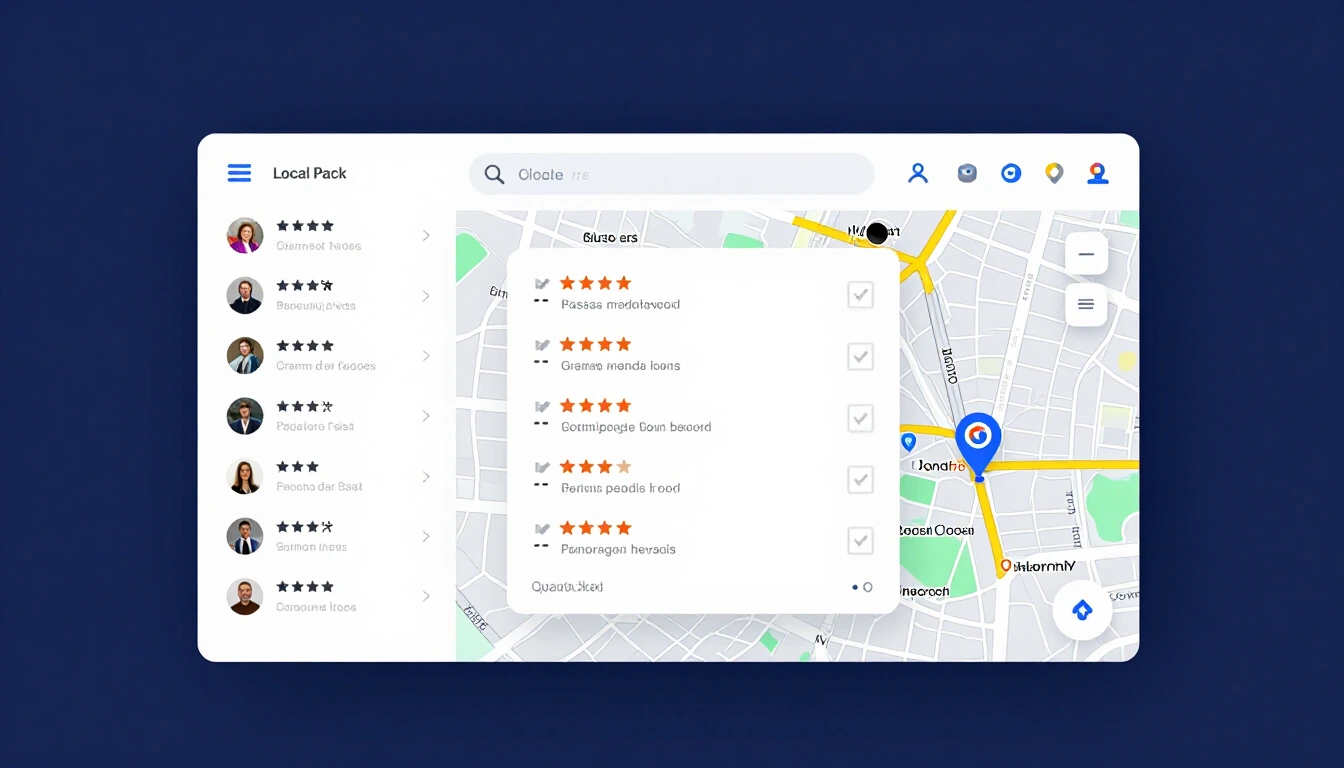
Your Google Business Profile (formerly Google My Business) is the single most important local SEO asset you have. It controls what appears in the local map pack — the group of three businesses that appear above organic results for local service searches.
If you haven't claimed your profile, or if it was set up years ago and hasn't been updated since, this is where to start.
Checklist — Google Business Profile Basics
2. Choose the Right Business Categories
Your primary category is one of the most influential signals in your GBP. Google uses it to determine which searches your profile is eligible to appear for.
Choose the most specific, accurate primary category for your main business type. You can add secondary categories for additional services you offer. Don't add categories for services you don't actually provide — Google may detect inconsistencies and it can hurt your rankings.
Category Checklist
3. Complete Your Services and Business Information
A fully completed Google Business Profile performs better than a sparse one. Google uses the information in your profile to match your business to relevant searches, and a more complete profile gives Google more signals to work with.
Add each service you offer, with descriptions where the platform allows. Upload real photos of your business, team, work, and location. Write a clear, honest business description that covers what you do and who you serve.
Completion Checklist
4. Keep Name, Address and Phone Information Consistent
NAP consistency — Name, Address, Phone — is a fundamental local SEO signal. Google compares the business information in your GBP against what appears on your website, directories, social profiles, and other online sources. Inconsistencies create confusion and can suppress your local rankings.
Use the exact same format everywhere. If your address uses "St." on your website, use "St." on your GBP and all directories — not "Street" on some and "St." on others.
Check your own listings
Search for your business name on Google and check how your information appears across the results. Look for old addresses, disconnected phone numbers, or outdated profiles on directory sites.5. Create Strong Service Pages
One of the most impactful things you can do for local SEO is build dedicated pages for your individual services — not just one generic "services" page.
A page that focuses specifically on "HVAC Installation in Fort Lauderdale" sends much clearer signals to Google than a general services page that mentions HVAC installation in one paragraph alongside fifteen other services. Each dedicated service page:
- Targets specific search queries for that service
- Gives Google more context about your expertise in that area
- Provides a more relevant landing page for visitors searching for that specific service
- Creates more internal linking opportunities across your site
6. Optimize Important Website Pages
Your website's on-page elements send important signals to Google about who you are, what you do, and where you serve customers.
On-Page SEO Checklist
7. Build Location-Relevant Content
Content that references your service area — cities, neighborhoods, landmarks — helps Google understand your geographic relevance. This doesn't mean you need to manufacture fake local pages or repeat "Fort Lauderdale" fifty times on every page. It means creating genuinely useful content that naturally mentions your area.
This can include location pages for businesses serving multiple areas, case studies from local clients, guides relevant to your service in your specific market, or blog content addressing common local customer questions.
8. Improve Internal Linking
Internal links — links from one page on your website to another — help Google understand the structure and relative importance of your pages. They also help distribute "link equity" from strong pages to pages that need support.
Make sure your service pages link to each other where relevant. Your homepage should link to your most important service pages. Blog posts and guides should link to the relevant service pages they reference.
9. Earn and Respond to Real Customer Reviews
Google reviews are a direct local ranking factor and a significant trust signal for potential customers. Businesses with a strong, consistent review profile — both in number and recency — tend to outrank competitors with few reviews or reviews that are all several years old.
The most effective approach to getting reviews is simply asking satisfied customers directly. A follow-up text or email with a direct link to your Google review page significantly increases completion rates compared to a generic "leave us a review" request.
Review Checklist
Avoid fake reviews
Fake reviews — from friends, family, or review services — violate Google's policies and can result in your profile being suspended. Google has become increasingly effective at detecting inauthentic review patterns. It's not worth the risk.10. Build and Clean Up Local Citations
Citations are mentions of your business on other websites — directories like Yelp, Angi, Yellow Pages, and dozens of others. They signal to Google that your business information is consistent and established across the web.
The goal is consistency, not volume. A handful of accurate, consistent citations across reputable directories is worth more than dozens of low-quality or inconsistent listings. Start with the major platforms (Google, Yelp, Bing, Facebook, Apple Maps) and expand from there.
Also important: clean up any old, incorrect, or duplicate listings you find. Outdated addresses or disconnected phone numbers on third-party sites create NAP inconsistencies that can suppress your local rankings.
11. Add Appropriate Local Structured Data
Structured data (Schema markup) helps Google understand specific information about your business — your type, address, hours, phone number, and more — in a standardized format. For local businesses, the most important types are LocalBusiness schema and, for service businesses, Service schema.
This isn't a visible website change — it's code added to your pages that only search engines read. Implementing it correctly can improve how your business appears in rich search results and may contribute to local ranking performance.
12. Make Sure Your Website Works Well on Mobile
Most local searches happen on mobile devices. A website that loads slowly, has small tap targets, or forces horizontal scrolling on a phone is losing potential customers at the moment they're most likely to contact a business.
Google also uses mobile usability as a ranking factor. A poor mobile experience can directly affect where your website appears in local search results, not just how visitors experience it when they arrive.
13. Improve Website Speed
Page speed affects both rankings and conversion. Google uses Core Web Vitals — a set of performance metrics — as a ranking signal. Slow pages also result in more visitors leaving before engaging, which means even well-ranked pages can underperform if they load too slowly.
Common causes of slow pages include unoptimized images, excessive plugins, slow hosting, and themes or page builders with bloated code. Test your key pages using Google's PageSpeed Insights and prioritize the highest-impact fixes.
14. Track Calls, Forms and Leads
If you can't measure which traffic sources are generating actual contacts, you can't make informed decisions about where to invest your time and money.
Tracking Checklist
15. Monitor Local Search Performance
Local SEO isn't set-and-forget. Rankings change as competitors invest in their own SEO, as Google updates its algorithm, and as your business information evolves. Regular monitoring lets you catch problems early and build on what's working.
At a minimum, check your Google Search Console monthly for search performance and coverage issues. Review your GBP insights for trends in calls, website visits, and direction requests. Search for your primary service keywords periodically to see where you're appearing.
Common Local SEO Mistakes
These are the issues that come up most often — and they're worth knowing before you start:
- Keyword stuffing in the business name. Adding keywords to your GBP business name ("Joe's Plumbing — Best Plumber Fort Lauderdale") violates Google's guidelines and can get your profile suspended.
- Fake or incentivized reviews. Offering discounts or gifts in exchange for reviews is against Google's policies and creates patterns Google can detect and act on.
- Duplicate location pages with thin content. Creating a different page for every nearby city by swapping the location name in identical content doesn't provide real value and Google may filter these pages out.
- Wrong or overly broad categories. Choosing categories for searches you want to appear in rather than what your business actually does often backfires.
- Inconsistent business information. Different addresses, phone numbers, or business names across different platforms confuse Google and suppress rankings.
- Thin service pages. A service page with two paragraphs of generic text competes poorly against a competitor's page that genuinely addresses what customers want to know about that service.
How Long Does Local SEO Take?
Local SEO takes time. For a relatively new business or one starting with minimal online presence, meaningful improvements in local search visibility typically take three to six months of consistent effort. More competitive markets and service categories can take longer.
Some elements produce faster results than others. A well-optimized Google Business Profile can start showing improvement in weeks. Building a strong review profile takes longer — it depends on how frequently you serve customers and how consistently you ask for reviews.
Be cautious of anyone promising specific rankings within a specific timeframe. Local SEO outcomes depend on your competition, your market, and factors outside anyone's complete control. What a professional can guarantee is consistent, correct work — not specific ranking positions.
DIY Local SEO vs Hiring Help
Many of the items on this checklist can be handled by a business owner who's willing to invest the time. Setting up your GBP correctly, optimizing your service pages, building a review process, and cleaning up citations are all learnable tasks.
The case for hiring help usually comes down to one of three things: time, expertise for more technical elements, or the opportunity cost of doing it yourself versus focusing on your business.
If you're running a growing business and local search visibility is a meaningful part of how you acquire customers, working with a managed local SEO service is often more cost-effective than spending your own time on something that takes consistent, specialized attention to do well.
Final Checklist Summary
Local SEO — Quick Reference Checklist
Local SEO is one of the highest-return marketing investments available to small service businesses — but only when it's done consistently and correctly. Use this checklist to identify the gaps in your current setup and work through them systematically.
If you'd like help with your local search visibility, Brandiket manages local SEO, Google Business Profile optimization, and reputation management for small businesses. A free Growth Audit is a practical starting point.
YOUR NEXT STEP
Want Help Improving Your Local Search Visibility?
Brandiket manages local SEO for small businesses — from Google Business Profile to on-page optimization, citations and review strategy.
Explore Local SEO